North Regional Representative Candidate
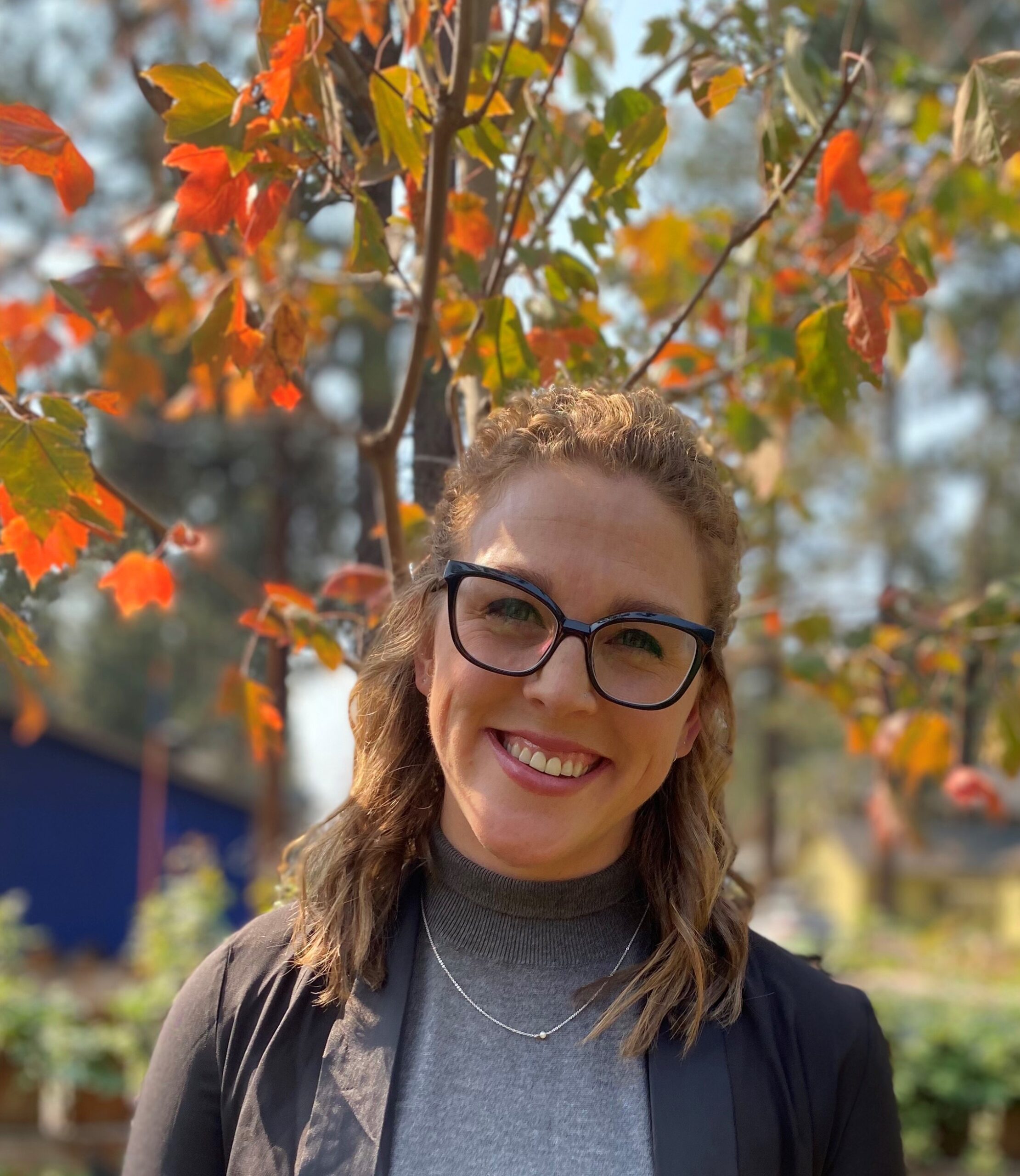
Chelcee Thomas
Executive Director, Vista Rise Collective
I am submitting my nomination for a second term as North Region Representative because I remain deeply committed to the Partnership’s mission, values, and collective impact across California. During my first term, I have valued the opportunity to strengthen relationships across the region, contribute to statewide conversations, and elevate the perspectives and challenges facing rural and under-resourced communities.
Through my role as Executive Director of Vista Rise Collective, I bring experience in survivor advocacy, nonprofit leadership, systems collaboration, and community engagement. I have actively participated in Partnership spaces, including regional gatherings, Executive Director meetings, trainings, and Policy Advocacy Day, and I am eager to continue building upon those relationships and experiences.
I believe a second term would allow me to further contribute to the Board’s strategic leadership, deepen regional engagement, and continue supporting survivor-centered advocacy and systems change efforts. I am committed to collaborative leadership, thoughtful engagement, and helping strengthen the Partnership’s impact across the state.
My values strongly align with the Partnership’s commitment to equity, collaboration, courage, and survivor-centered advocacy. I approach leadership through a lens of authenticity, relationship-building, and social justice, and I believe meaningful change requires both compassion and accountability.
Throughout my work, I strive to center the experiences of communities that are often underrepresented in broader conversations, including rural survivors, LGBTQIA+ individuals, underserved communities, and those facing intersecting barriers related to housing instability, poverty, mental health, and systemic inequities. I believe it is critical not only to create space for these voices, but to ensure they meaningfully shape decisions, strategies, and systems change efforts.
I am committed to ongoing learning and accountability around equity and anti-oppression practices, including challenging white supremacy and systemic inequities within our systems and organizations. I value collaboration, shared leadership, and community-informed approaches, which closely align with the Partnership’s values and vision for collective impact.
I would continue bringing these values into my service on the Board and my work within the broader Partnership community.
It has been a privilege to serve my first term as North Region Representative, and I have actively engaged across the Partnership’s membership spaces. I consistently participate in North Region and Executive Director gatherings, using these spaces not only to learn, but to contribute perspective from a rural community that often faces unique barriers. I have engaged in webinars, trainings, and peer learning circles, bringing insights back to my organization while also sharing strategies and challenges from my region. Through these spaces, I have strengthened relationships with fellow Executive Directors and contributed to collective problem solving and knowledge exchange. I also participated in Policy Advocacy Day, where I supported efforts to elevate survivor centered policy priorities and bring forward the realities facing rural and under-resourced communities. This experience strengthened my ability to connect policy with practice and to represent both my region and the broader field. In a second term, I will deepen my engagement by being more intentional about sharing regional insights, strengthening cross-region connections, and encouraging participation from North Region members to ensure our collective voice remains strong and representative.
I bring a combination of nonprofit leadership, systems thinking, and community-based experience that strengthens the Board’s capacity. As an Executive Director, I lead organizational strategy, oversee operations, and engage in cross-sector partnerships to address complex and intersecting issues impacting survivors. My work is grounded in understanding how economic instability, housing insecurity, and systemic inequities shape survivor experiences. I bring this lens into both programmatic and strategic conversations, ensuring our work remains responsive and relevant. I have experience in capacity building, program evaluation, and data-informed decision-making, supported by my academic background in public administration. I am comfortable navigating budgets, funding strategies, and organizational development, while also maintaining a strong focus on mission and impact. I also bring strengths in relationship-building and facilitative leadership. I am skilled at connecting people, aligning stakeholders, and moving ideas into action. I approach Board service with both a strategic mindset and a collaborative approach, and I am committed to strengthening the Partnership’s impact and sustainability.
To me, leadership is about creating the conditions for others to succeed while advancing a shared vision rooted in values. It requires clarity, adaptability, accountability, and a deep commitment to people. I demonstrate leadership by building strong, trustbased relationships and fostering environments where people feel heard, valued, and empowered. I lead with transparency and integrity, while also being willing to make difficult decisions when needed. I prioritize clear communication, active listening, and creating space for collaboration and innovation. As an Executive Director, I regularly navigate complex challenges, balance competing priorities, and guide strategic direction. I approach this work with both empathy and accountability, supporting my team while maintaining high standards and forward momentum. I also believe leadership is about supporting others. I work to empower staff and peers to take ownership, build confidence, and grow in their roles. At the same time, I remain committed to my own growth, seeking feedback and continuously strengthening my leadership practice.
Through my role, I have built strong relationships with local and regional partners, including government agencies, community based organizations, and peer leaders across California. I also maintain connections with policymakers and community college systems through my teaching and advocacy work. During my first term, I have used these relationships to stay grounded in community realities and bring those perspectives into Board conversations. I have also served as a connector by linking ideas, resources, and people across networks. Moving forward, I will be more intentional in leveraging these relationships on behalf of the Partnership. This includes connecting policymakers to real-time community needs, strengthening relationships with culturally specific and rural organizations, and identifying opportunities to expand awareness of the Partnership’s work. I will continue to cultivate relationships through consistent engagement, follow-through, and strategic outreach, ensuring that the Partnership remains connected, responsive, and positioned to influence across sectors.
South Regional Representative Candidate
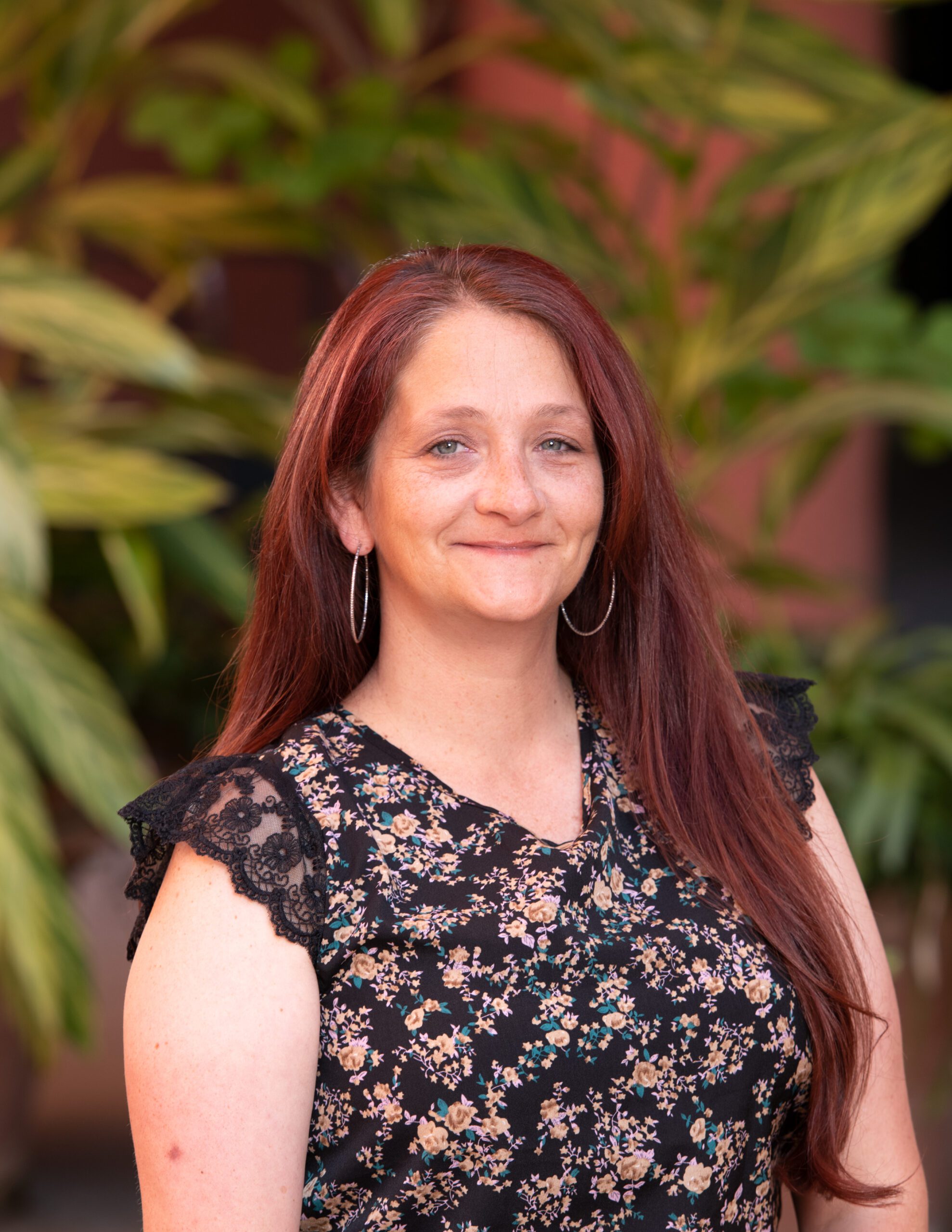
Jobi Woods
Director of Youth Services, Family Assistance Program
I have served as the Southern Region Representative for the last three years and would love to continue to serve the Southern Region. I believe in the work that CPEDV does and would love to continue to be a part of it in the Southern Region.
I have been told throughout my life that I am “loud” or “talk too much”; working in this field and alongside the Partnership has allowed me to turn what was once seen as a negative into a positive. The Partnership creates a space and a place for Advocates to loudly talk to many and represent those who are underrepresented. Being a voice for those whose rights have been taken away means so much to me. I, like the Partnership, believe that EVERYONE deserves to be safe, EVERYONE deserves to be heard, EVERYONE deserves a home, EVERYONE deserves a chance, and just my luck,
I have worked alongside CPEDV and its team since I started with the Family Assistance Program 12 years ago, participating in AMMs, Policy Advocacy Day, and other regional events. For the last three years, I have served as the Southern Region Representative and have been an active member of the Board, even serving as Secretary. I would like to continue this work in the Southern Region, bringing together agencies to connect and serve clients together.
I love the work that I do, and I believe in it! Having this attitude, I am an open book, even speaking about my own victimization and transition to survivor to those that will listen, and in any way I can to support our work. I am an alumnus of the Solis Policy Institute and use the knowledge I gained on the Board to further our work at the legislative level.
Leadership, to me, means being the person who empowers, supports, and cheers others on to accomplish a common goal. Being a leader is an honor, not a title. Being a leader means always thinking of the bigger picture and never thinking of yourself.
I feel that my love and passion for our work speak for themselves and ultimately speak to others. When you really believe in something, it’s easy to get others on board.
At-Large Seat Candidates
Marianne Frapwell
Director, CARE at the Sexual Assault Resource Center, UC San Diego
I am interested in being a member of the CPEDV Board of Directors to use my expertise and passion to support California survivors of domestic violence and further the goals and mission of this much-needed coalition. I would bring to this role almost two decades of experience and a deep commitment to transformative community empowerment, trauma-informed and intersectional program design, and sustainable and healing movement-building. My professional experience has been dedicated to creating violence-free communities and working directly with survivors of sexual and relationship violence, including in my current role as the Director of CARE at the Sexual Assault Resource Center at UC San Diego. Prior to my time at UCSD, I oversaw the sexual and intimate partner violence prevention and advocacy services at Occidental College in Los Angeles. I also co-chaired the campus-wide restorative justice committee and spearheaded the implementation of campus-wide restorative practices. As a consultant, I have worked with K-12 educational institutions and community agencies to design sexual violence prevention and response programs and incorporate trauma-informed practice and philosophy into service provision. I also served as co-chair of the Campus Advocacy and Prevention Professionals Association (CAPPA), a national professional association, between 2016 and 2018 and on the Board Development Committee from 2018-2020. Before moving to California, I worked in community mental health as a clinical team leader and volunteered as a therapist for folks navigating the American asylum process. In addition, I oversaw the development and fundraising program of an international children’s nutrition NGO and served on the Board of Directors for the Saint Louis-based Delta Gamma Center for Children with Visual Impairment. Originally from Atlanta, GA, I received my BA from Boston College and a Masters in Social Work and an MBA from Washington University in Saint Louis.
I have spent my professional career dedicated to supporting the movement to end gender-based and intimate partner violence, both through direct client support and leadership of teams and programs with larger community reach. A guiding philosophy in my work is the application of trauma-informed practice to workplace environments and program design so that our staff members can feel as supported as the survivors they serve. I believe that ending domestic violence takes a comprehensive and holistic approach, which is why I am so drawn to CPEDV’s focus on policy, prevention, and organizational capacity-building. Domestic violence does not happen in a vacuum. It is a relational example of a larger system of inequality and oppression, inherently intertwined other forms of dehumanization like racism, transphobia, and economic disparity. In order to stem the tide of domestic violence, we must be equally committed to combatting other forms of marginalization and supporting the right of all individuals to live free, healthy, and safe lives. CPEDV’s recognition of the importance of advocating for housing and financial security alongside violence prevention and personal empowerment strategies emphasizes the importance of mezzo and macro responses to what can inaccurately be categorized as an interpersonal issue. I see my own professional journey, in both direct practice, prevention education, organizational leadership, and board service as reflective of a similar commitment. I believe that in order to be truly trauma-informed, we must also be agents of systemic change. In order to commit to the avoidance of retraumatization, we must actively work to change the conditions that lead to trauma in the first place.
I am a member of the southern region of CPEDV and have participated in both their regularly scheduled monthly and annual virtual and in-person meetings. I have been so grateful for the webinars and learning opportunities provided by the coalition to strengthen the work my office currently engages in with our survivor clients. I am looking forward to the opportunity to grow my connection and engagement with the Partnership and to take on a more active role with its membership community.
I am excited about the potential opportunity to serve on the board of CPEDV in part because I have previous board service experience and deeply appreciated the time in which I was able to lend my experience and voice to the mission of an organization I cared deeply about and see a similar opportunity here. My familiarity and comfort with governance process and goals, and my expertise in the field of domestic violence prevention and advocacy, will allow me to jump quickly into this role. My entire professional career has been dedicated to non-profit and social service agencies, and my roles have run the gamut from my first years in administrative and case management roles, to overseeing fundraising and grant management for an international NGO, to client advocacy, policy and program design and staff leadership. I have an awareness of the important roles all positions play in an organization and know that true violence prevention will take a committed team from across the professional landscape to come to fruition. I also hold a deep professional commitment to applying trauma-informed practices not just to client interactions but to organizational leadership and staff support as well. In order to be truly survivor-centered, we must support the survivors on our teams and live the values we preach to our community. I also have a background in restorative practices which guides how I approach conflict, accountability, and organizational responsibility.
To me, leadership is the intentional building of workplaces and programs that center mutuality, dignity, individual empowerment and belonging. As a leader, I must recognize the power I hold, both institutionally and through personal identities, and balance utilizing my strengths to advocate for change while prioritizing community-directed programs and staff empowerment. Leadership is an act of service, a way to offer my skills and time to organizations and communities I care about. I believe that healthy leadership can exist, that we can create organizations that not only achieve their goals but do so with compassion, transparency and community buy-in, and lasting relational trust. As a trauma‑informed and restorative leader, I seek to model vulnerability and humility, admit mistakes, and constantly seek and be receptive to feedback. Leadership should not be a top‑down directive but a co‑creative process that honors staff wisdom and experience, encourages diverse strengths, and implements policies and programs directly designed by the communities they serve. I have worked in the field of campus violence prevention and support for over 10 years and in social service agencies for longer. I co-chaired the national professional association for campus-based violence advocates and preventionists for 3 years and maintain a network of experienced professionals, in direct service, policy work, and technical assistance nationwide. I am comfortable speaking publicly and have a background in program facilitation and development-focused relationship building. I look forward to building new relationships with our California partners in the important work CPEDV does at the state and regional level. As an employee of a public institution in the state of California, I will be mindful and diligent about any conflicts of interest that arise in regards to my professional or personal relationships and how they can serve the Partnership in ethical and transparent ways. I will commit to cultivating relationships specific to the work and mission of CPEDV and maintaining integrity in my service commitment.
I have worked in the field of campus violence prevention and support for over 10 years and in social service agencies for longer. I co-chaired the national professional association for campus-based violence advocates and preventionists for 3 years and maintain a network of experienced professionals, in direct service, policy work, and technical assistance nationwide. I am comfortable speaking publicly and have a background in program facilitation and development-focused relationship building. I look forward to building new relationships with our California partners in the important work CPEDV does at the state and regional level. As an employee of a public institution in the state of California, I will be mindful and diligent about any conflicts of interest that arise in regards to my professional or personal relationships and how they can serve the Partnership in ethical and transparent ways. I will commit to cultivating relationships specific to the work and mission of CPEDV and maintaining integrity in my service commitment.
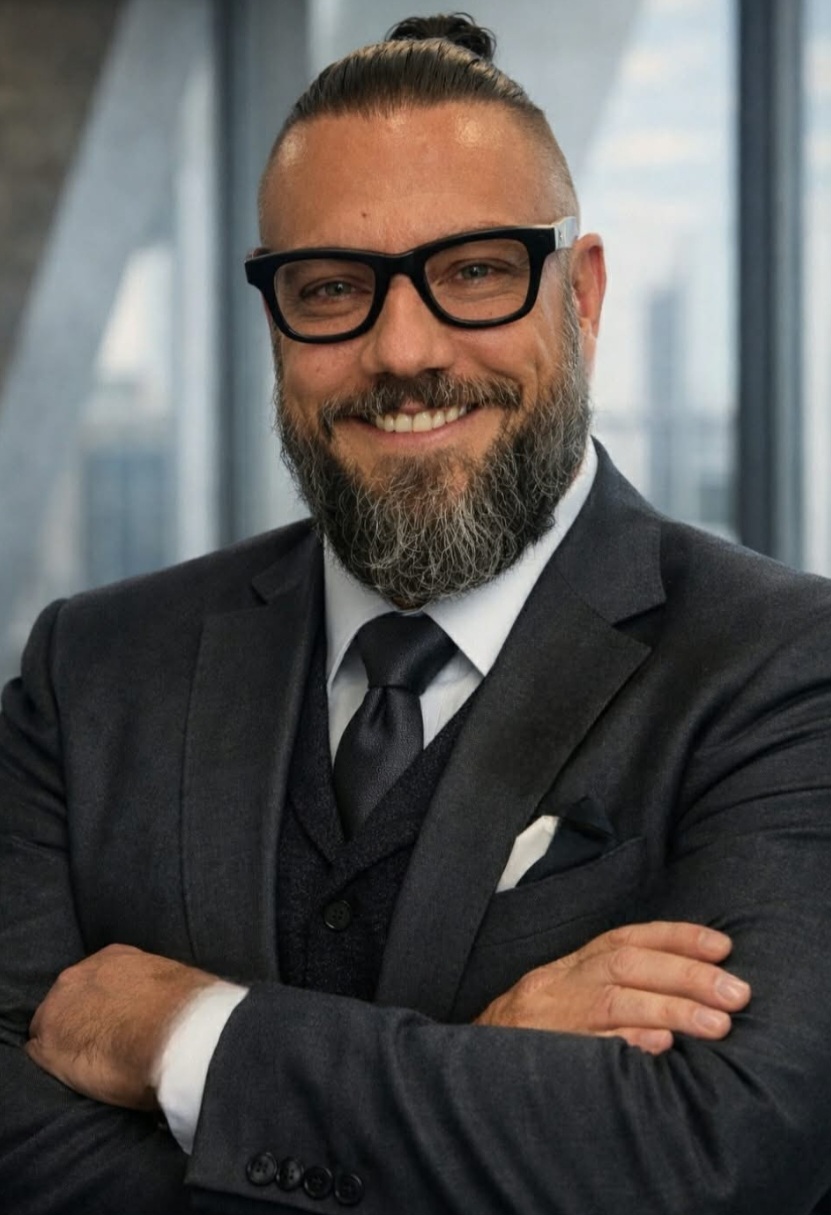
Bryan Jones
Founder/ Advisory Board Member, New Life Facility
As the Founder and Director of New Life Facility, I have seen firsthand the critical intersection between domestic violence, substance use, and mental health challenges within our community. I am submitting this nomination because I believe the Partnership’s mission requires a board that balances high-level governance with a deep, practical understanding of the systemic barriers survivors face in the High Desert and beyond. With over a decade of experience in clinical mental health and crisis response, and as a current board member for multiple organizations, I bring a unique perspective that merges boots-on-theground advocacy with professional administrative oversight. I am particularly interested in how we can leverage emerging technologies and evidence-based interventions to expand the reach of our coalition. My goal is to ensure the South Region has a vocal advocate who is committed to the Partnership’s strategic growth, fiscal health, and its vital role as a leader in the statewide movement to end domestic violence.
My professional philosophy is rooted in the belief that true progress is only possible when we center those who have been historically pushed to the margins. At New Life Facility, I have dedicated my career to providing accessible, high-quality care to vulnerable populations. This aligns directly with the Partnership’s value of ‘transforming our statewide system in response to the evolving needs of survivors and families’. On a national level, I have researched and presented on the ethical use of technology to reach marginalized and rural populations. I believe that ‘centering underrepresented voices’ is not just a value, but an active practice, one that involves removing geographic, financial, and cultural barriers to safety. My work as a Diversity, Inclusion, and Equity Practitioner (DIP) informs my approach to board governance, ensuring that equity is a lens we apply to every budget line, policy decision, and committee initiative. I am committed to a future where the Partnership reflects the full diversity of California’s communities.
In addition to attending regional meetings, I actively integrate the Partnership’s mission into my local work through deep crosssector collaborations. At New Life Facility, I lead initiatives that connect domestic violence advocacy with broader social determinants of health, partnering with organizations like the High Desert Community Coalition, High Desert Child, Adolescent & Family Services Center, and the San Bernardino County Children’s Network. My participation is defined by this ‘hub’ model: ensuring that when a survivor enters our doors, they are connected to a warm network of support, including Moses House Ministries for family needs or the High Desert Pride Center for LGBTQ+ specific advocacy. I view my membership not just as a solo effort, but as a gateway for these diverse partners to engage with the Partnership’s statewide goals.
My existing professional network is designed to solve the complex, multi-layered problems that domestic violence survivors face. For example, I have built strong operational relationships with the Community Action Partnership and High Desert Second Chance Food Bank to address food insecurity, a critical barrier to safety for many survivors. I also enhance the Board’s reach through workforce development partnerships with Sterling Solutions and BeHope, helping survivors transition into secure employment and financial independence. By serving on the Board, I can leverage these specific regional ties, as well as my connections to clinical bodies like CCAPP and CAAMP, to help the Partnership cultivate a more holistic, statewide ‘ecosystem of care’. I intend to use my platform to bring these regional partners into the fold, ensuring that policy-makers and donors see the full breadth of the collaborative work happening in the High Desert.
To me, leadership is the ability to maintain a forward-looking vision while effectively managing day-to-day operations to ensure organizational stability. As the Founder and Director of New Life Facility, I demonstrate leadership by fostering an environment of ethical conduct and accountability, ensuring our team provides high-quality, compassionate care that aligns with state regulations and industry standards. My leadership style is defined by collaboration; I regularly inform our board of directors on strategy and finances, and I mentor staff and volunteers to achieve long-term growth goals. Beyond my own facility, I demonstrate leadership through my roles as a National Trainer and Board Treasurer, where I guide other professionals in evidence-based crisis intervention and fiscal responsibility.
I have built a robust network of strategic partnerships that can significantly extend the Board’s reach into the High Desert and across California. My deep operational relationships with entities like the San Bernardino County Department of Behavioral Health and the Children’s Network allow me to bridge the gap between grassroots service and statewide policy. Furthermore, my collaborations with local pillars such as the High Desert Community Coalition, Moses House Ministries, and the High Desert Pride Center ensure that I can bring diverse, underrepresented voices directly to the Partnership’s table. I intend to cultivate these relationships by acting as a vocal ambassador for the Partnership, leveraging my presence in clinical bodies like CCAPP and CAAMP to drive donor engagement and awareness of our collective mission.
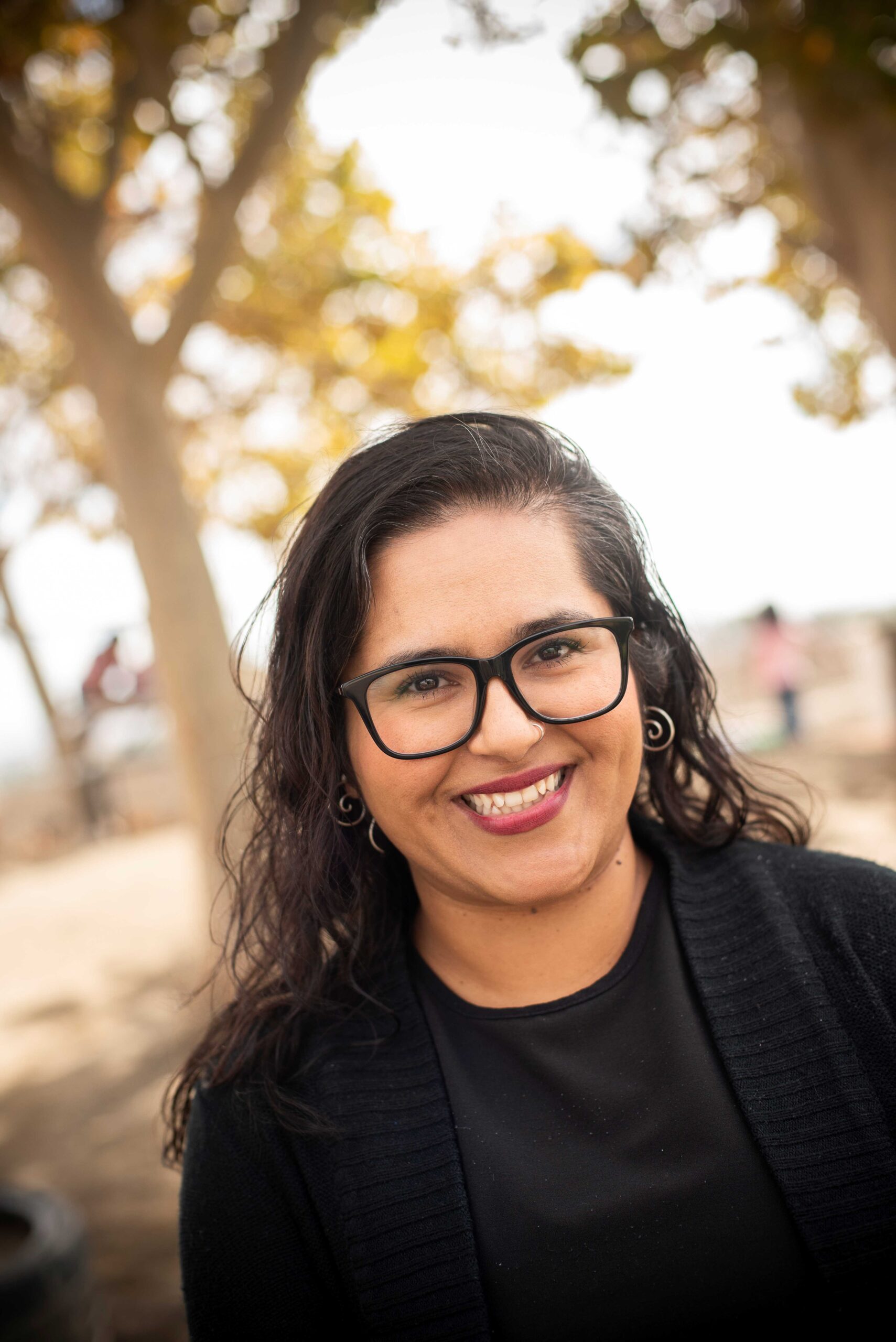
Jessica Macias
CEO, YWCA Monterey County
Nominated by Paola Chavez, Housing Service Manager at YWCA Monterey County.
I am honored to nominate our CEO at the YWCA of Monterey County for her exceptional leadership, vision, and unwavering commitment to advancing safety and equity for survivors of domestic violence. Under her leadership, the organization has strengthened its capacity to provide comprehensive, survivor-centered services across emergency shelter, transitional housing, and supportive programming. She has cultivated a culture rooted in accountability, compassion, and continuous improvement, ensuring that staff are equipped to deliver high-quality, trauma-informed care. Her leadership has expanded partnerships across housing, public systems, and community-based organizations, enhancing coordinated responses and improving access to critical resources for survivors and their families. Beyond operational excellence, she is a strategic and values-driven leader who understands the broader systemic barriers impacting survivors. She consistently advocates for sustainable solutions, elevates organizational standards, and creates opportunities for innovation. Her ability to balance vision with practical implementation has resulted in measurable improvements in service delivery and community impact, making her highly deserving of this recognition.
Nominated by Paola Chavez, Housing Service Manager at YWCA Monterey County.
Our CEO’s values strongly align with the mission of the California Partnership to End Domestic Violence, particularly in her commitment to equity and the intentional centering of underrepresented voices. She leads with an understanding that survivors are not a monolith and that effective services must reflect the diverse experiences of the communities we serve in Monterey County. She has prioritized culturally responsive and inclusive programming, ensuring that services are accessible to survivors from marginalized communities, including communities of color, immigrant populations, and individuals facing economic hardship. Her leadership emphasizes listening to and incorporating survivor voice into program development, policies, and service delivery. Additionally, she actively fosters partnerships that amplify community perspectives and promote shared leadership. She supports staff development and community engagement practices that uplift lived experience and create space for those voices in decision-making processes. Her approach reflects a deep commitment to addressing systemic inequities and advancing justice, aligning closely with the Partnership’s values of equity, inclusion, and survivor-centered advocacy.
I have been able to take advantage of many opportunities the Partnership provides. I have attended policy information meetings, peer leadership meetings and advocacy related meetings (online and in Sacramento). It has been a great learning tool for me as this is my first year at this agency and in my new role.
My skills, experience, and interests can strengthen Board capacity through my extensive background in leadership, strategic planning, community engagement, and organizational development. With experience in nonprofit leadership, program development, and advocacy, I bring a deep understanding of building sustainable systems, strengthening partnerships, and advancing equity-centered initiatives. I am passionate about supporting organizations that create meaningful community impact, and I can contribute through strategic oversight, resource development, collaborative problem-solving, and a strong commitment to advancing the Board’s mission and long-term goals.
Leadership means many things to me. It means to lead by example. I share my knowledge in hopes that I will help my team grow. Leadership means collaboration and listening to my team to make the agency a better place from everyone. Strong leadership also means being adaptable, solution-focused, and willing to step forward during challenges while ensuring others feel supported and valued. I demonstrate leadership by fostering collaboration, communicating openly, and leading by example. Throughout my career, I have prioritized relationship building, strategic thinking, and creating environments where individuals feel heard and empowered. I lead with a strong commitment to mission-driven work, balancing big picture vision with practical action. Whether guiding teams, building partnerships, or navigating complex challenges, I strive to model professionalism, resilience, and a dedication to continuous improvement.
One of my greatest strengths is my ability to build meaningful collaborations and cultivate strategic partnerships that create mutual growth and long-term impact. Throughout my career, I have contributed to pilot projects, supported startups, and helped launch new facilities, demonstrating both innovation and operational leadership. I excel at building connections and opening doors within just my first seven months as CEO, I have established relationships and held meetings with city councilmembers, county supervisors, and our county assembly member to elevate our agency’s impact, advocate for our needs, and strengthen community support. I am not scared to ask questions. I also most recently was voted as board chair for our domestic violence county collective.
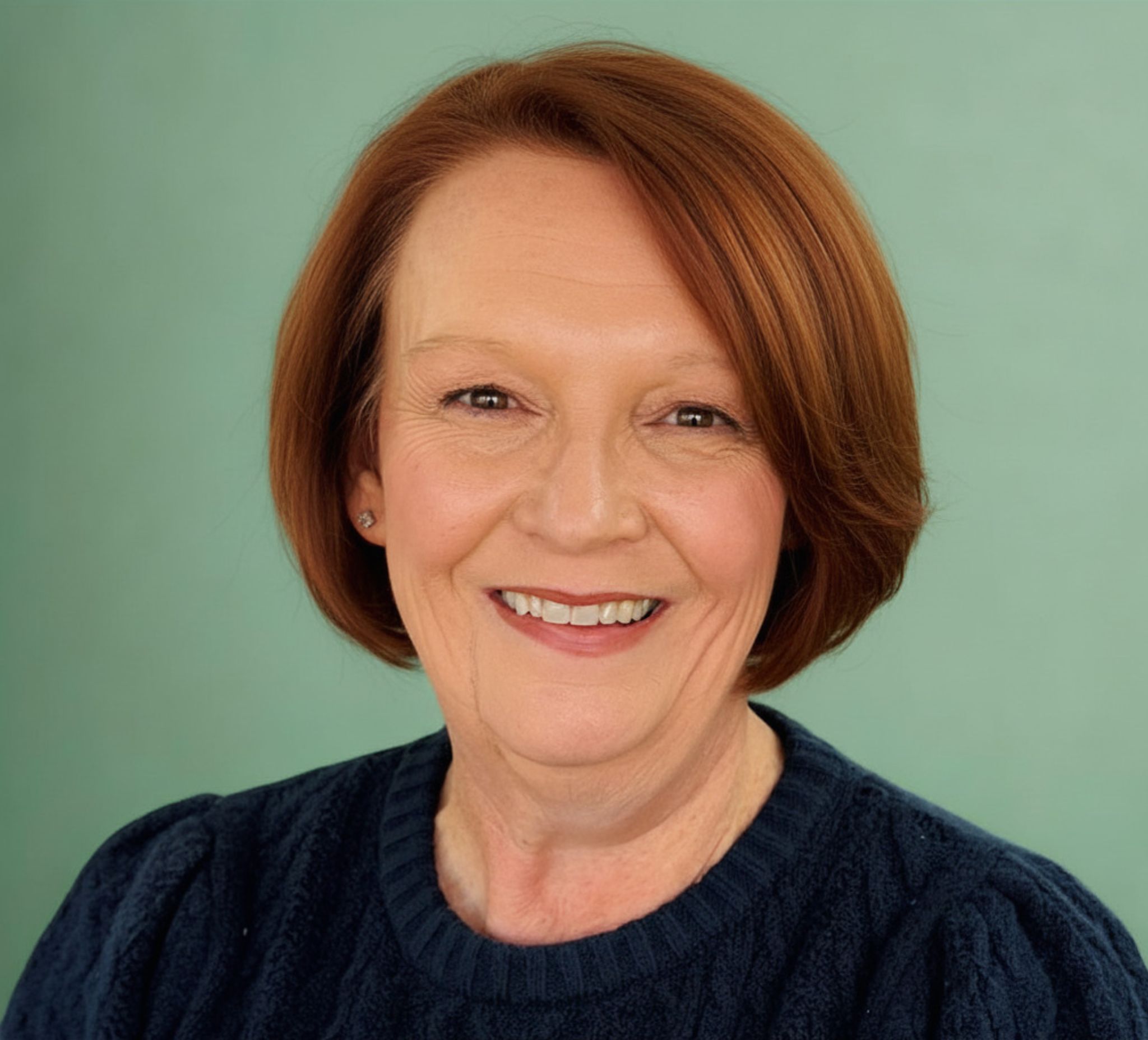
Bonnie Rice
Program Manager for Advocacy Services, REACH
I have had the privilege of working with the California Partnership to End Domestic Violence in multiple capacities and on each occasion, I have been deeply impressed by the breadth and scope of their work, as well as their concern for individual survivors. As a Board Member, I can increase my impact with the Partnership in their ongoing support of local organizations responding to all types of sexual violence in our California communities. I am deeply committed to advancing survivor-centered, trauma-informed, and equitable responses to domestic and sexual violence across California. My work in advocacy has given me direct insight into the barriers survivors face, as well as the opportunities we have to improve systems of care.
My values strongly align with the mission and priorities of the California Partnership to End Domestic Violence, particularly in the areas of equity, survivor empowerment, and centering underrepresented voices. Over the past 12 years that I have interacted with survivors, I have prioritize listening to each of their individual experiences. As a leader in my organization, I now take the time to listen to needs and concerns of various staff members to ensure they have the support they need to continue to provide direct services at a high impact level. The time I have taken to listen to and learn from individuals and communities who have historically been marginalized or excluded from traditional systems of support has taught me that every voice matters and each story is different. This perspective enables me to put survivors at the center of programs, policies, activities and trainings. It pushes me to create environments where diverse perspectives are not only welcomed but actively inform decision-making and actions.
I am an active and engaged member of the California Partnership to End Domestic Violence community. I attend Partnership trainings, participate in policy town halls, respond to calls to action, and consistently participate in the southern region network activities. My involvement with the Partnership has helped me to stay informed on emerging issues and the impact they have on our ability to help survivors. Participation within the Partnership has also deepened my understanding of the need for prevention services as part of our collective response to domestic violence within our communities.
Through my work as an advocate and program manager, I regularly engage with survivors, community partners, and multidisciplinary professionals to create spaces where individual voices can be heard, respected and contribute to the ongoing dialogue of improving delivery of services to survivors. This ability to facilitate collaboration will translate to the larger scope of the Partnership’s Board, increasing the Board’s capacity to engage stakeholders on an individual and collective basis. In addition to facilitating collaboration, I have also had opportunities lobbying to and providing testimony for legislators at both the State and Federal level. While lobbying is not a direct responsibility of the board, these experiences have enhanced my ability to communicate effectively with legislative and business leaders, a skill that will strengthen the Partnership Board.
My foundational principle of leadership is to lead from behind. What that means to me is that a leader should never get in the way of those they lead. A leader removes barriers that may be in front of those they support. In removing barriers, a leader does not remove responsibilities, but rather opens paths to success, allowing others to own their effort, triumphs, accomplishments and failures as they work to fulfill their roles and achieve their goals. I demonstrate leadership by listening to those I serve, helping them work through their challenges, praising them for their achievements, and providing support where needed.
Stephanie Whack
DV Program Coordinator, LAHSA
I am submitting this nomination because my career, community leadership, and lived commitment to ending domestic violence align directly with the California Partnership’s mission and the qualities you seek in a board member. Over the past nine years, I have worked at every level of the domestic violence system in California — from direct service and court advocacy to regional coordination, system alignment, and statewide policy. At LAHSA, I oversee a $20M+ domestic violence portfolio, manage federal HUD funding, and provide technical assistance to approximately 125 providers across Los Angeles. I understand the complexity of braided funding, the gaps in service delivery, and the structural barriers survivors face daily. Beyond my professional role, I have served as Chair of the LA City Domestic Violence Alliance, co-facilitated the DV and Homeless Services Coalition’s Education and Training Workgroup, and contributed to policy recommendations adopted by the LA County Board of Supervisors. I bring not just expertise but a track record of building coalitions, elevating underrepresented voices, and translating frontline knowledge into systemic change. As a Public Voices Fellow through The OpEd Project and Blue Shield of California Foundation, I have published widely on domestic violence, nonprofit inequity, and survivor-centered policy — including in Ms. Magazine and The Fulcrum. I believe public narrative is one of the most underused tools in advocacy, and I am prepared to use mine in service of the Partnership’s statewide priorities. I am ready to contribute my networks, expertise, and full commitment to this board — and to serve not just as a member, but as a bridge between the communities most impacted by domestic violence and the systems designed to protect them.
My values are rooted in a fundamental belief that every person deserves safety, dignity, and access to resources — regardless of their immigration status, housing situation, sexual orientation, gender identity, race, or economic circumstances. These are not abstract commitments. They have been shaped by nearly a decade of working directly alongside survivors, providers, and communities that are too often left at the margins of the systems meant to protect them. The California Partnership’s commitment to centering equity and amplifying underrepresented voices resonates deeply with how I have approached every role in my career. As Chair of the LA City Domestic Violence Alliance, I initiated the first LGBTQIA+ June Event to ensure that queer and trans survivors — who face compounding barriers and are frequently underserved — had visible, dedicated space within our coalition’s work. I also led the development of the DV/IPV Intervention and Strategies initiative to bridge the gap between victim services and batterer intervention programs, recognizing that ending the cycle of violence requires holding the full picture, not just one side of it. At LAHSA, I work daily with providers serving communities across Los Angeles — many of them immigrants, unhoused individuals, and survivors navigating multiple, overlapping crises. My work is grounded in the understanding that systems were not designed equally, and that equity requires active, ongoing effort. I assess resource gaps across funding streams including OVW, VOCA, and OFVPS to ensure that underserved populations are not falling through the cracks of fragmented funding structures. As a Public Voices Fellow, I have used writing as an advocacy tool to bring marginalized perspectives into mainstream public discourse. My published pieces address the salary inequities faced by nonprofit workers, the structural failures of the nonprofit funding model, the need to expand accountability beyond survivors, and the role employers can play in supporting those experiencing abuse. Each piece centers voices and realities that are rarely platformed in policy conversations. I bring this same orientation to board service — a commitment to asking whose voice is missing, whose experience is not reflected, and what structural changes are needed to make inclusion real rather than performative.
I have been an active participant in the California Partnership’s membership community across multiple touchpoints. I attend the Annual Conference regularly, using it as an opportunity to stay current on statewide policy developments, connect with peer organizations, and deepen my understanding of the issues facing survivors across California’s diverse regions. I participate in Regional Network meetings, where I engage with fellow advocates and service providers to share knowledge, identify emerging gaps, and contribute to collective problem-solving across the field. These convenings have strengthened my understanding of how domestic violence manifests differently across communities and regions, and have informed how I approach system alignment in my professional work. I have also participated in Partnership webinars and trainings, both as an attendee and as a presenter, sharing expertise drawn from my experience coordinating DV programs across Los Angeles County, managing federal funding streams, and building cross-sector coalitions. Through this consistent engagement, I have developed relationships across the membership community that I look forward to deepening in a board capacity, bringing my frontline knowledge into the Partnership’s broader statewide strategy.
I bring a rare combination of frontline expertise, systems-level leadership, and public advocacy that I believe can meaningfully strengthen the Partnership’s board. Professionally, I oversee a $20M+ domestic violence portfolio at LAHSA, managing federal HUD funding, grant compliance, and technical assistance to approximately 125 providers across Los Angeles. This experience gives me a deep understanding of the funding landscape, program design, and the structural challenges facing DV organizations statewide — knowledge I can bring directly to board governance and strategic planning conversations. My leadership experience spans coalition-building, policy advocacy, and community organizing. As Chair of the LA City Domestic Violence Alliance, I led a multistakeholder body that included city departments, law enforcement, and community-based organizations — experience that translates directly to navigating complex governance environments with multiple competing interests. As a Public Voices Fellow, I have developed strong strategic communications skills, with published op-eds in Ms. Magazine and The Fulcrum addressing systemic inequity, survivor-centered policy, and nonprofit funding gaps. I can help the Partnership strengthen its public narrative and expand its visibility with policymakers, media, and philanthropic audiences. Finally, I bring an extensive network across Los Angeles and the broader California DV field — relationships with providers, government partners, and co
Leadership, to me, begins with people. Before strategy, before systems, before outcomes, there are human beings. I lead by first seeing the person in front of me, understanding what they carry, and creating conditions where they feel safe enough to bring their full selves to the work. That orientation has shaped every leadership role I have held. In practice, this means I invest in the people I work with, the providers I mentor, the volunteers I supervise, the coalition members I convene. I believe that sustainable change is built through relationships, trust, and genuine accountability to one another. When people feel seen and valued, they show up differently. That is where real capacity is built. At the same time, I lead by challenging the systems we operate within. I do not accept that the way things have always been done is the way they must be done. I look for the gaps, the assumptions, and the structural inequities baked into existing models, and I ask what it would take to do it differently. That led me to develop a HUD compliant comparable database at LAHSA, to create Project Safe Haven during the pandemic, and to contribute to a policy recommendation adopted by the LA County Board of Supervisors. Innovation without grounding is reckless. I take informed risks, ones rooted in data, community input, and a clear-eyed assessment of what could go wrong and why it is still worth trying.
Over nearly a decade in the domestic violence field, I have built relationships across every level of the ecosystem, from frontline providers to government agencies, coalitions, and public media. I am ready to activate those networks in service of the Partnership’s mission. Through my work at LAHSA, I have cultivated relationships with approximately 125 DV providers across Los Angeles County, as well as government partners at the city and county level. As Chair of the LA City Domestic Violence Alliance, I worked directly alongside representatives from the Mayor’s Office, City Attorney’s Office, and the Los Angeles Police Department. These relationships give me direct access to policymakers and decision-makers who shape the funding and policy environment for DV services statewide. Through my Public Voices Fellowship and published op-eds, I have developed relationships with editors and platforms that reach broad public audiences. I intend to use those connections to amplify the Partnership’s voice, elevate its priorities in public discourse, and position its leadership as go-to sources for media covering domestic violence policy. I plan to cultivate these relationships on behalf of the Partnership by making intentional introductions, co-hosting convenings, and consistently representing the Partnership’s mission in every professional and civic space I occupy. Relationships grow through consistency and genuine investment. I show up, follow through, and bring others along.